Le Fin de Satan
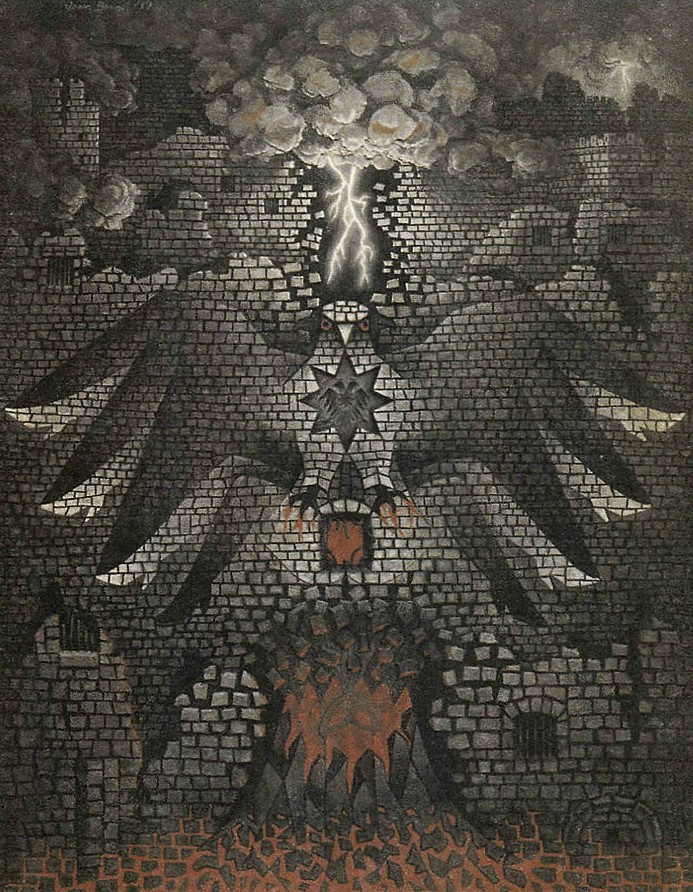
In 1854, Victor Hugo began writing an epic poem titled “La Fin de Satan” (The End of Satan). This was one of the most interesting projects Hugo ever worked on, but tragically it was left unfinished. The themes are familiar, but far more metaphyscial and raw, far further from the light of grace than Hugo ever allowed himself to venture in his other pleas for lost souls. In many ways the story resembles Milton’s Paradise Lost, but Hugo’s Satan is not a heroic rebel. He is ashamed. He is lonely. For this reason, the grace in this essay is far more potent that the transcendent, patriachal form of redemption offered to Jean. Hugo’s compassion for Satan required a total destitution of justice as such, which he planned to culminate in a storming of the Bastille as both a spiritually and politically necessicary revolt to realize a truer justice, not a mere succession of rights.
-
"A great deal of innocence or cunning is needed by a
philosophy of communication that claims to restore the society of
friends, or even of wise men, by forming a universal opinion as
"consensus" able to moralize nations, States, and the markct.!"
Human rights say nothing about the immanent modes of existence of
people provided with rights. Nor is it only in the extreme situations
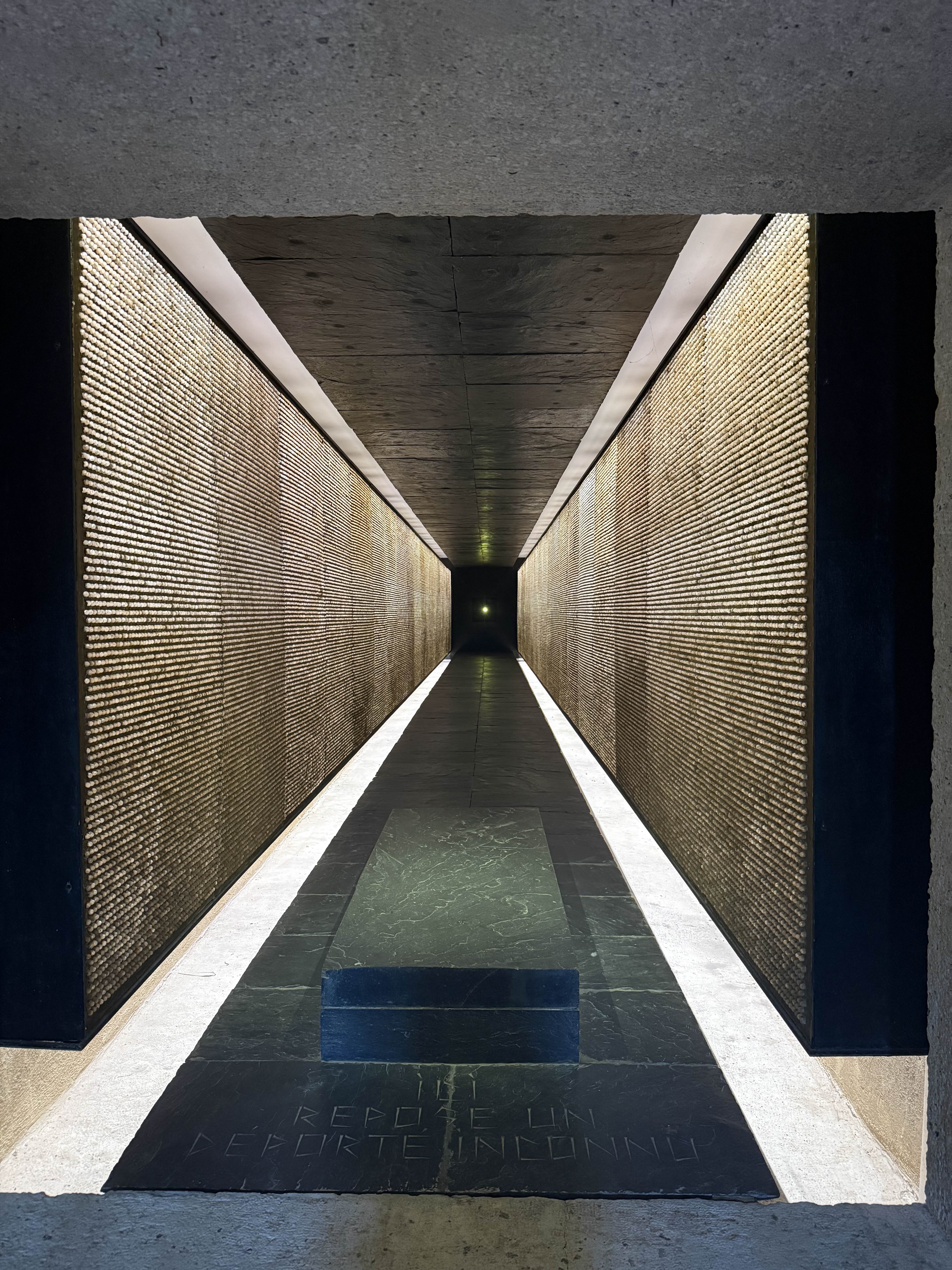
described by Primo Levi that we experience the shame of being
human. We also experience it in insignificant conditions, before the
meanness and vulgarity of existence that haunts democracies, before
the propagation of these modes of existence and of thought-for-the-
market, and before the values, ideals, and opinions of our time. The
ignominy of the possibilities of life that we are offered appears from
within. We do not feel ourselves outside of our time but continue 10
undergo shameful compromises with it. This feeling of shame is one
of philosophy's most powerful motifs. We are not responsible lor (he
victims but responsible before them. And there is no way to escape
the ignoble but to play the part of the animal (to growl, burrow,
snigger, distort ourselves): thought itself is sometimes closer to an
animal that dies than to a living, even democratic, human being."
– G. Deleuze and Felix Guattari What Is Philosophy
What is the power of our Shame?
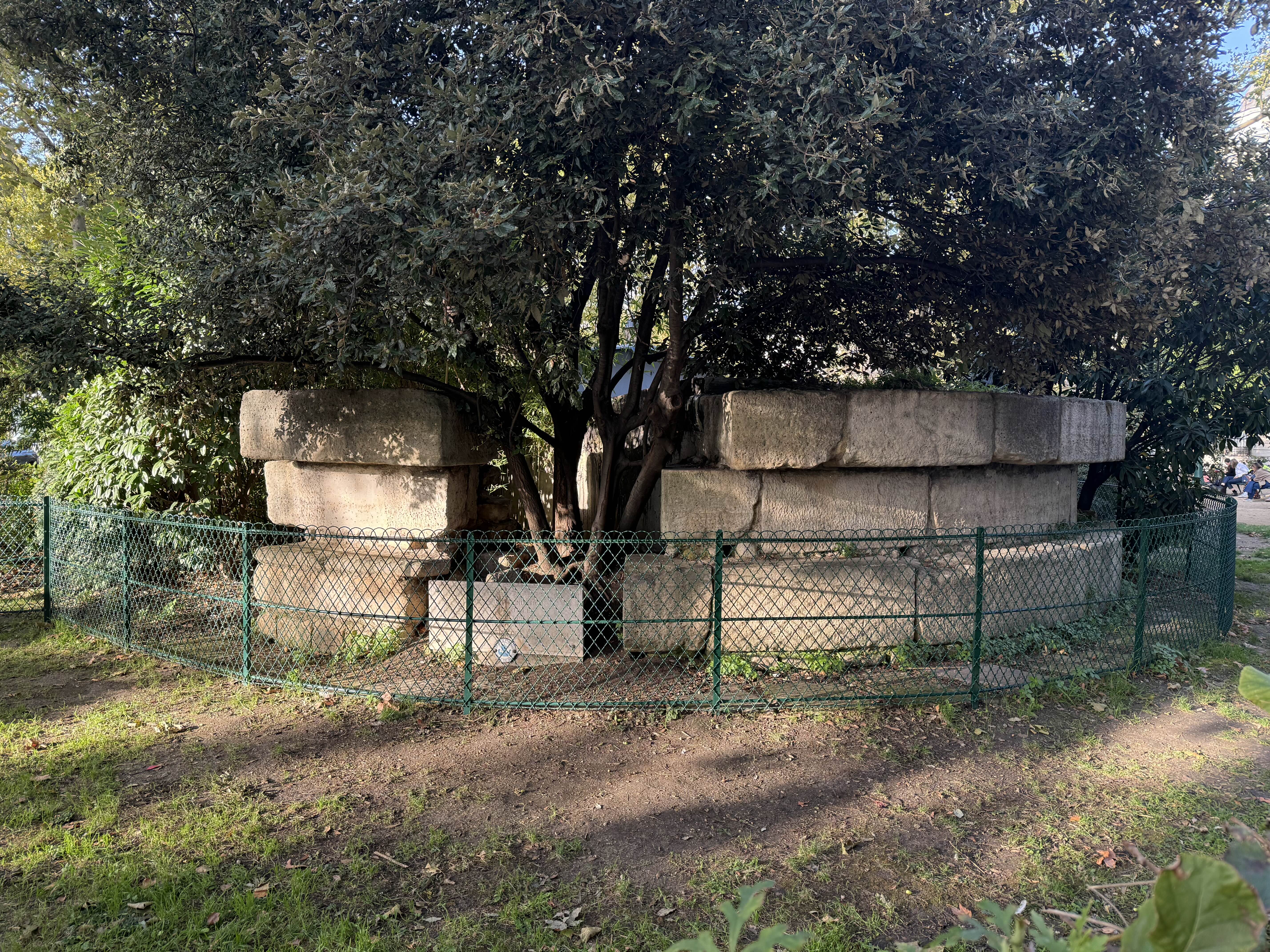
I saw the Bastille last week. All that remains is the foundations. Some of the bricks were taken to be used for a bridge. Besides that, it is a playground now. A tree sprouts from the stubborn remnants of the original foundation. Someday we will win.
I thought a lot about the necessity of Satan as we walked along the high rise. I remember being told all about the abstract theological necessities as a child, about how freedom was a necessary precondition of real grace. Unity which knows of no difference is simply a jail. I saw Hugo’s vision as children played on top of the rubble. I saw the necessity of Satan’s fall and ascension to transform the unitary grace of God from a prefigurative violence to a freely given act of love.
Then, it makes sense this work went unfinished. The consciousness which made itself known for a brief moment amid the French Revolution faded out just as quickly as it arose. But what a gasp of relief to see how little remains of the old Bastille. Like a brief surfacing above the water, only to dive down again.
To find our way out of this maze, we have to hold onto our hatred and our solitary individuality. We have to have known aggression and defensiveness, we have to experience them for what they are and work through them without succumbing to them. The peace we win must be won on behalf of each element struggle against the whole. And at the same time, we have to believe in the possibility of an appeal to the whole. Not as an all encompassing transcendent perspective, not as a return to our origins, but as a struggle to be one in the name of grace. The turning of our stomachs reading the last pleas of a condemned man, an encounter with the serene violence underneath the hegemonic sensibility that directs punishment. We have to trace it all back to the love we have been denied, and then we can start asking the real questions. To see with all the eyes that one can hold. Our boundaries, our stubbornness, our hatred, our discontent; these cannot help but forward the coming of the kingdom. In the crater of each signifier, in the unassailability of the object of desire, there is the outline of a being capable of holding the weight of everything everywhere all at once. This latent thing is both the inevitable return of the repressed and the unstoppable march towards peace.
Enjoy Reading This Article?
Here are some more articles you might like to read next: